Fortress Fence Company Austin: Reliable Property Protection Solutions for Homes
Professional Fence Installation: Transform Your Curb Appeal
Premium fence installation provides more than just boundary definition. It elevates a property's exterior appearance, providing both visual charm and functional advantages. Various styles, from traditional timber to modern vinyl, cater to diverse tastes. As residents explore their alternatives, recognizing the variables that impact installation and material decisions becomes important. Proper selections can completely revamp a property's appearance. However, the decision between hiring professionals or tackling the project independently raises important questions.
Learning About the Benefits of a Premier Fence
A high-quality fence provides many benefits that can greatly enhance the value and security of a property. By establishing a defined border, it serves to outline the property's boundaries, deterring potential intruders and unwanted animals. This extra level of security encourages a feeling of security for occupants and their property. In addition, superior materials and expert workmanship provide lasting strength, minimizing repair and maintenance costs throughout the years.
Moreover, a well-constructed fence can work as an visual improvement, harmonizing with the house's overall look. It can buffer open-air spaces from environmental disturbances, fostering a more comfortable environment for endeavors including entertaining or gardening. Moreover, it can offer seclusion, giving homeowners to relax without the feeling of being overlooked. In summary, choosing a high-quality fence not only strengthens security but also improves the general attractiveness and usability of a property, establishing it as a smart investment for homeowners pursuing ongoing improvements.
Top Fence Designs That Enhance Your Property's Curb Appeal
When evaluating fencing installation, the selection of style can significantly improve a home's curb appeal. Classic wood fencing delivers an enduring elegance that complements traditional architecture, while contemporary vinyl alternatives deliver a refined, minimal-upkeep option. Each option accommodates diverse visual preferences and can improve the visual appeal of any residential space.
Traditional Wood Fence Styles
Classic wood fencing styles offer timeless elegance that enhances curb appeal for all types of properties. Such styles, including picket, split rail, and privacy fences, offer a natural look that pairs well with diverse home designs. With their charming vertical slats, picket fences establish an inviting ambiance, ideal for front yards. Split rail options, often used in rural settings, provide a charming rustic look without sacrificing utility. Privacy fences, typically taller and solid, deliver both safety and a tranquil backyard environment. The versatility of wood allows for customization in height, stain, and finish, enabling homeowners to reflect their personal style. Ultimately, classic wooden fencing remains a preferred option for those seeking to elevate their home's exterior charm.
Modern Vinyl Options
Contemporary vinyl fence selections offer a wide range of elegant designs that can significantly improve a property's curb appeal. Available in multiple colors and textures, vinyl fences can simulate natural materials like wood and stone while providing exceptional durability and minimal upkeep. Widely chosen styles include picket, privacy, and ranch rail, each appealing to a range of aesthetic tastes.
Vinyl fencing stands up to rot, fading, and pests, guaranteeing a lasting and worthwhile investment. Moreover, its adaptability in design permits homeowners to tailor heights and panel layouts to match their landscape. Consequently, contemporary vinyl fences not only offer security and privacy but also enhance the overall aesthetic of a home, making them a preferred option among selective property owners.
Select the Best Material for Your Fence
Selecting the ideal option for a fence is crucial for both practical use and visual appeal. Materials like wood and vinyl deliver distinct benefits, while chain link serves as a economical choice. Additionally, the durability of metal fencing can be a significant element in making long-term decisions.
Wood Versus Vinyl Fencing
When homeowners explore fencing alternatives, the comparison between wood and vinyl frequently comes up due to each material's distinct advantages and drawbacks. Wood fencing provides a timeless appearance and organic charm, resonating with those who value conventional aesthetics. It can be customized easily and is often more affordable upfront. However, wood requires regular maintenance to avoid deterioration and pest-related harm.
In contrast, vinyl fencing is celebrated for its resilience and ease of care, withstanding discoloration, warping, and cracking. It often comes with a higher initial cost but has the potential to cut costs over time due to its lasting durability. Homeowners are encouraged to assess their specific requirements, such as aesthetic preferences, budget, and maintenance willingness, to select the best option for their fencing goals.
Chain Link Options Available
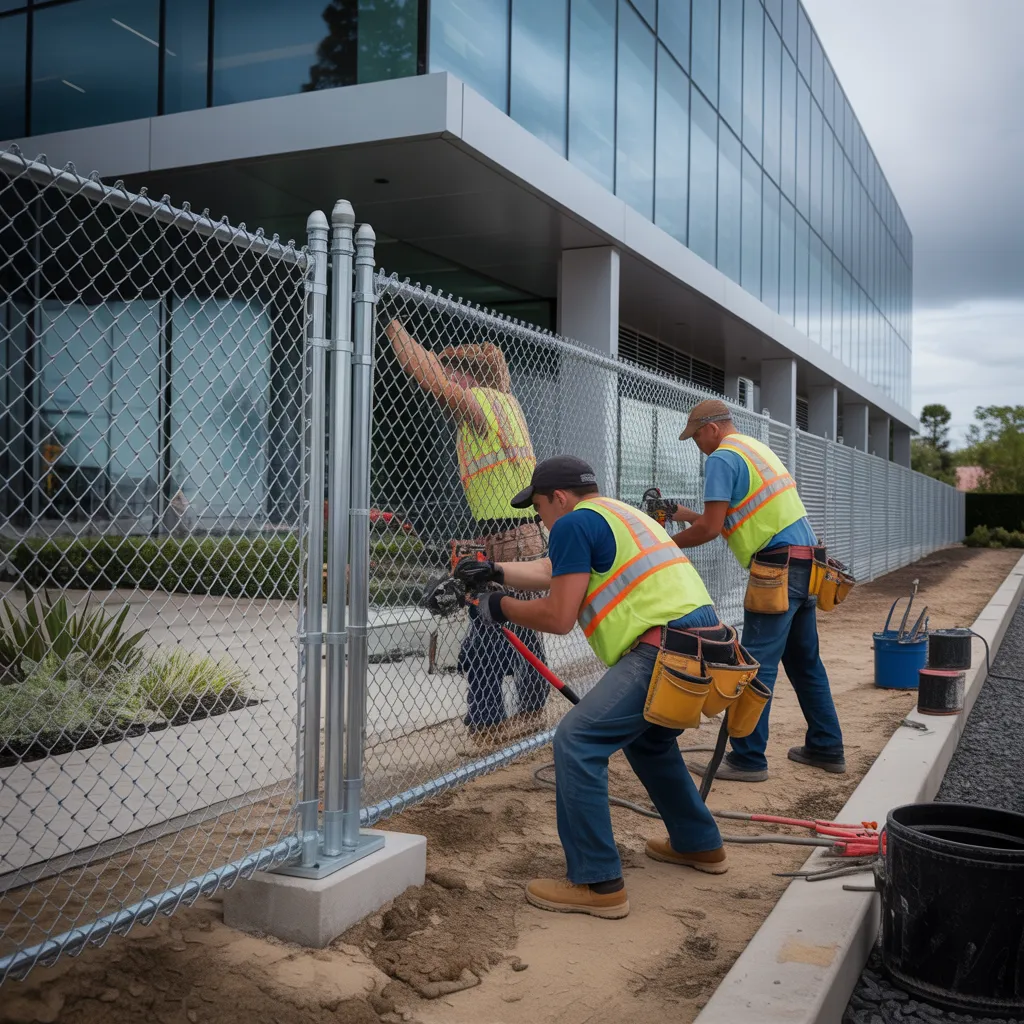
Chain link fencing offers an effective option for homeowners seeking safety and transparency without sacrificing budget. This style of fence is offered in multiple heights and gauges, allowing property owners to select styles that match their preferences. For those prioritizing aesthetics, vinyl-coated chain link offers a colorful alternative, integrating naturally with landscaping. Moreover, homeowners can choose galvanized chain link to improve related information rust resistance, promoting long-lasting performance. The installation process is generally straightforward, making it well-suited for DIY projects. With options like privacy slats or decorative tops, chain link fencing can be tailored to achieve both functionality and style. Ultimately, chain link fencing offers a practical and affordable option for improving property borders.
Metal Strength Considerations
Identifying the correct fencing option involves understanding the durability of different choices. Metallic fences, particularly those made from steel and aluminum, are known for their durability and resilience. Aluminum offers a lightweight design and rust resistance, making it ideal for coastal environments. Steel, though heavier and sturdier, requires galvanization or coating to prevent corrosion. On the other hand, wrought iron, though aesthetically appealing, requires consistent upkeep to prevent rust. Additionally, the thickness of the metal holds considerable importance; thicker materials provide enhanced strength and durability. At the conclusion of the selection process, elements like environmental conditions, intended application, and maintenance capacity should guide the selection process, ensuring that the chosen metal fence withstands environmental challenges while maintaining its structural integrity over time.
Pinpoint Key Considerations for Installation Success
The success of fence installation depends on several key factors that significantly influence the overall outcome. Initially, selecting the right materials is vital; each material type presents unique durability, maintenance requirements, and aesthetic appeal. Furthermore, proper planning is essential, which involves assessing the property boundaries and securing required permits to steer clear of legal problems.
Furthermore, exact measurements and a thoughtfully designed layout confirm that the fence properly fits the landscape and meets the owner's specifications. Terrain and soil conditions also significantly impact the success of the installation; they can affect the foundation style needed to ensure stability.
Moreover, weather conditions must be taken into account, as extreme heat or rain can negatively impact installation efforts. As a final point, attention to detail during installation—such as ensuring panels are aligned and posts are secured—ensures a durable and aesthetically pleasing fence. By addressing these factors, property owners can significantly improve the durability and performance of their fence installation.
Should You Hire Pros or Go DIY for Your Fence?
When deciding between hiring professionals and attempting a DIY fence installation, homeowners often assess their expertise, budget limitations, and scheduling demands. Engaging professional installers generally ensures superior results, as skilled contractors provide expert knowledge and proper equipment. This option may be ideal for those lacking the time or expertise to complete the project effectively. Alternatively, a DIY method can prove to be budget-friendly, giving homeowners the opportunity to cut labor costs and take on a satisfying challenge. That said, this approach necessitates a strong grasp of fencing materials, municipal regulations, and appropriate installation practices. Homeowners should also consider the time commitment, as DIY projects can extend beyond initial expectations. In the end, the choice depends on personal factors such as individual preferences, the complexity of the project, and accessible resources. Careful consideration of these factors will guide homeowners in making the right choice for their fencing needs.
Essential Tips for Maintaining Long-Lasting Fences
Preserving a fence's sturdiness and visual appeal requires consistent maintenance. Regular inspections are vital; residents should watch for signs of wear, rot, or damage. For wood fences, applying a weatherproof sealant or stain every few years can guard against moisture-related issues. Iron fences should be inspected for corrosion, and any compromised areas should be sanded and painted immediately to preserve their condition.
Moreover, clearing the area surrounding the fence of debris and overgrown vegetation can reduce the risk of moisture accumulation and pest problems. It is also advisable to tighten any loose screws or bolts to keep the structure stable.
Scrubbing the fence on a routine basis, utilizing a light soap solution and a soft cleaning brush, preserves its visual appeal. Periodic seasonal care is critical; therefore, homeowners ought to create a regular plan to guarantee the long-lasting durability of their fence installations. Following these tips can greatly enhance the strength and visual charm of all types of fencing.
What You Can Expect in Fence Installation Costs
Comprehending fence installation costs is crucial for homeowners seeking to upgrade their home. The total expenses can differ significantly based on a number of considerations, including the type of material chosen, the intricacy of the setup, and the dimensions of the space requiring fencing. Widely used options such as chain link, wood, and vinyl each carry varying price ranges.
Furthermore, the cost of labor may shift based on regional market conditions and the expertise of the contractor. It is also important for homeowners to factor in necessary permits and supplementary elements, such as gates and ornamental additions, which can also affect the overall cost.
On average, prices vary from $1,500 to $4,000 for standard installations. It is advisable for homeowners to obtain multiple quotes and evaluate the extent of the work required to ensure a comprehensive understanding of their financial obligations before moving forward.
Incorporating Fencing Into Your Landscape Design
Integrating fencing into landscape design not only enhances the aesthetic appeal of a property but also provides functional benefits such as privacy and security. A well-chosen fence can complement existing plants, pathways, and outdoor structures, creating a cohesive look. As an example, wooden fences can merge effortlessly with natural environments, while metal alternatives provide a sleek, modern element that complements contemporary landscaping.
The design and hue of the fence ought to blend with the complete vision of the outdoor space. Vertical gardens or ascending greenery can be integrated to ease rigid boundaries and bring in lush foliage. Moreover, strategically placed fencing can delineate spaces, such as dividing planted regions from leisure areas.
Ultimately speaking, thoughtful integration of fencing enhances not just the aesthetic appeal but also the practicality of outdoor spaces, establishing an welcoming space that showcases the property owner's individual style and tastes.
Common Questions and Answers
What Permits Are Needed for Installing a Fence?
Generally, residents are required to obtain a building permit before erecting a fence. Local zoning laws may also require special permits, especially for height limitations or boundary lines. Consulting with your local authorities helps ensure compliance with all necessary regulations.
How Long Does Fence Installation Typically Take?
Fence installation typically takes one to three days to complete, influenced by factors such as the type of material, the size of the property, and weather conditions. Elaborate fence designs can require more time to finish.
Is It Possible to Install Fences During Winter?
It is possible to install fences in winter. However, the process may be more challenging due to frozen ground and adverse weather conditions. Expert installers commonly refine their techniques to maintain stability and durability in colder weather.
What Is the Typical Lifespan of Various Fence Materials?
Fence materials differ significantly in their expected lifespan: wood lasts 10-15 years, vinyl can endure 20-30 years, chain link commonly endures for 15-20 years, and aluminum can exceed 30 years with the right upkeep.
How Can I Select a Fence Color That Matches My Home?
To choose a fence color that complements a home, one should evaluate the exterior hues, architectural style, and surrounding landscape. Natural hues often work harmoniously, while vibrant hues can provide contrast and visual interest.